Never before has it been so important for leaders to ensure that their organisation has the right profile.
Presschoice is the most cost effective way of raising the profile of your organisation and its key members. It enables journalists to find out what you do, who to contact and the profile and biographies of your key experts and spokespeople.
In the incredibly fast moving world of the modern media, the reputation of organisations can be dependant on how they respond to fast breaking news. Journalists tend to turn to those who they can contact quickly and easily. But finding the right person in an organisation to comment on a report, can take too long. As a result, the report often goes ahead without the chance of many to comment on them or help shape the way they are reported in the local and national media. Too often people and organisations aren’t given a chance to comment on stories which concern them.
Presschoice enables you to tell the media how they should contact you, directing journalists to exactly the place in your organisation which is best able to handle their calls.
But more than that, it also enables you to promote your organisation as an expert in any number of fields you choose. That’s because when listing on the database, you can choose a number of subjects which you wish to comment on. Anyone looking for experts in those areas, will be given the contact details you provided.
Creating the right kind of public relations is one of the most important ways of promoting your organisation and its key members of staff. It moulds people’s perceptions, which can be vital in ensuring the long term future and success of any university, business or other group.
Presschoice is the best and most cost effective way of promoting and controlling your organisation’s profile.
It only costs £25 to list on the site for a whole year.
To sign up visit www.presschoice.com. For those wanting to list groups of people, please email administration@presschoice.com or call 020 7691 9965
Monday, July 31, 2006


Sunday, July 30, 2006
The UK's big secret
When people want to see the north of England, most head for the Lake District or Scotland. 2 great places.
Have a look at this

and this

and this
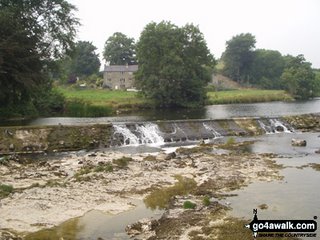
This is the Yorkshire Dales
I went walking at 7am and see lots of sights like these. It's paradise and well worth a visit
Have a look at this

and this

and this
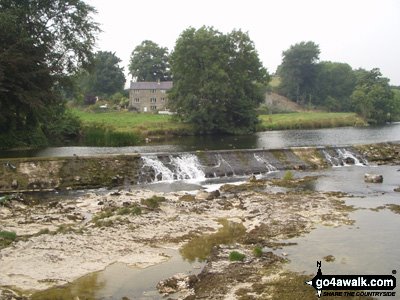
This is the Yorkshire Dales
I went walking at 7am and see lots of sights like these. It's paradise and well worth a visit
Friday, July 28, 2006
"What do you do?"
Every week I get Robert Middleton's newsletter
This was in this wek's edition
One of the greatest confusions in talking about, and marketing, professional services is that we tend to answer the questions about our services at face value.
This is a big mistake because what people ask and what they really want to know are two quite different things. So, if you answer the question they ask, they don't get the answers they want.
Confusing? Definitely!
The first question everyone asks us is "What do you do?" That's THE question. But if we answer it at face value we don't communicate much of real value:
"I'm a management consultant." (OK, now I have your label, but I
really don't know what that means to me.) or...
"I do workshops on productivity and performance." (Better, but still
I'm not seeing a big benefit here.) or...
"I work with software firms to be more productive and profitable."
(Yeah, I could see that this would be valuable.) or...
"I work with start-up software firms who are struggling to make a
profit." (Bingo! my son-in-law works for a company like that!)
So what's the underlying question to "What do you do?" My observation is that it's, "Are you someone who can help me?"
Now the person you're talking to may not work for a software firm that's struggling to make a profit, but if they do (or know someone who does), you've hit a vital nerve with your answer. None of the other answers even get close.
Wouldn't it be great if it got easier from there? Well, it doesn't!
Because people keep talking in code. And you have to decipher the next one as well. Here it is:
"That's great, how do you do that?"
But don't go there. Translate the question as follows: "What kind of results do you produce for your clients?" Then answer like this:
"The clients who work with me get these kind of results: They become profitable in six months or less and stop struggling with cash flow." This is music to the ears. The language of results. Just make sure you talk about what you can really deliver.
This kind of marketing language will get the attention and interest of prospects, and make them want to know more. But you're not done yet. You're going to get more coded questions:
"That's terrific. But how does your service work?"
The red lights should go off at this point. Don't go down that path.
Better men and women than you and I have gone there never to return. The vast majority tend to go in one of two directions:
They go into "tech-talk" that explains their approach or process in excruciating detail. But tech-talk can be confusing to the average
layman: "The sub-optimal performance horizon undermines the maximization of variable input factors in the productivity matrix. So we co-harmonize these factors." Huh??
Or they go in the opposite direction explaining how their service works in terms so generic that they lose all impact. "Well, we're all about productivity, alignment and commitment. When we get those things going, results tend to improve pretty fast." Well, Duh!
Both of these approaches are dead ends. Nobody really wants to know how your service works. The hidden question behind the question is: "Do your services actually work?" That would be a little rude, wouldn't it? But answer it, nevertheless, as follows:
Tell a story. Success stories that outline how you helped a specific client gets listeners hanging on your every word:
"We met a very promising start-up software firm who didn't think
they could hold on another month. We helped them get their cash
flow working, got them some more money and then showed how they
could sell the software faster to their target market. Nine months
later they are profitable and growing quickly."
Not so hard right? You can do this quite successfully with a little practice. You should prepare several success stories in verbal and written form. They are a powerful persuasion tool.
Starting to get the idea? If you don't understand the real questions beneath the standard questions, you'll miss the opportunity to tell them what they really want to know.
*
The More Clients Bottom Line: To speak a prospect's language you need to understand that the fundamental question everyone is asking is "What's in it for me?" Answer that and you'll do fine.
How are you answering your prospect's questions?
This was in this wek's edition
One of the greatest confusions in talking about, and marketing, professional services is that we tend to answer the questions about our services at face value.
This is a big mistake because what people ask and what they really want to know are two quite different things. So, if you answer the question they ask, they don't get the answers they want.
Confusing? Definitely!
The first question everyone asks us is "What do you do?" That's THE question. But if we answer it at face value we don't communicate much of real value:
"I'm a management consultant." (OK, now I have your label, but I
really don't know what that means to me.) or...
"I do workshops on productivity and performance." (Better, but still
I'm not seeing a big benefit here.) or...
"I work with software firms to be more productive and profitable."
(Yeah, I could see that this would be valuable.) or...
"I work with start-up software firms who are struggling to make a
profit." (Bingo! my son-in-law works for a company like that!)
So what's the underlying question to "What do you do?" My observation is that it's, "Are you someone who can help me?"
Now the person you're talking to may not work for a software firm that's struggling to make a profit, but if they do (or know someone who does), you've hit a vital nerve with your answer. None of the other answers even get close.
Wouldn't it be great if it got easier from there? Well, it doesn't!
Because people keep talking in code. And you have to decipher the next one as well. Here it is:
"That's great, how do you do that?"
But don't go there. Translate the question as follows: "What kind of results do you produce for your clients?" Then answer like this:
"The clients who work with me get these kind of results: They become profitable in six months or less and stop struggling with cash flow." This is music to the ears. The language of results. Just make sure you talk about what you can really deliver.
This kind of marketing language will get the attention and interest of prospects, and make them want to know more. But you're not done yet. You're going to get more coded questions:
"That's terrific. But how does your service work?"
The red lights should go off at this point. Don't go down that path.
Better men and women than you and I have gone there never to return. The vast majority tend to go in one of two directions:
They go into "tech-talk" that explains their approach or process in excruciating detail. But tech-talk can be confusing to the average
layman: "The sub-optimal performance horizon undermines the maximization of variable input factors in the productivity matrix. So we co-harmonize these factors." Huh??
Or they go in the opposite direction explaining how their service works in terms so generic that they lose all impact. "Well, we're all about productivity, alignment and commitment. When we get those things going, results tend to improve pretty fast." Well, Duh!
Both of these approaches are dead ends. Nobody really wants to know how your service works. The hidden question behind the question is: "Do your services actually work?" That would be a little rude, wouldn't it? But answer it, nevertheless, as follows:
Tell a story. Success stories that outline how you helped a specific client gets listeners hanging on your every word:
"We met a very promising start-up software firm who didn't think
they could hold on another month. We helped them get their cash
flow working, got them some more money and then showed how they
could sell the software faster to their target market. Nine months
later they are profitable and growing quickly."
Not so hard right? You can do this quite successfully with a little practice. You should prepare several success stories in verbal and written form. They are a powerful persuasion tool.
Starting to get the idea? If you don't understand the real questions beneath the standard questions, you'll miss the opportunity to tell them what they really want to know.
*
The More Clients Bottom Line: To speak a prospect's language you need to understand that the fundamental question everyone is asking is "What's in it for me?" Answer that and you'll do fine.
How are you answering your prospect's questions?
Subscribe to:
Posts (Atom)